

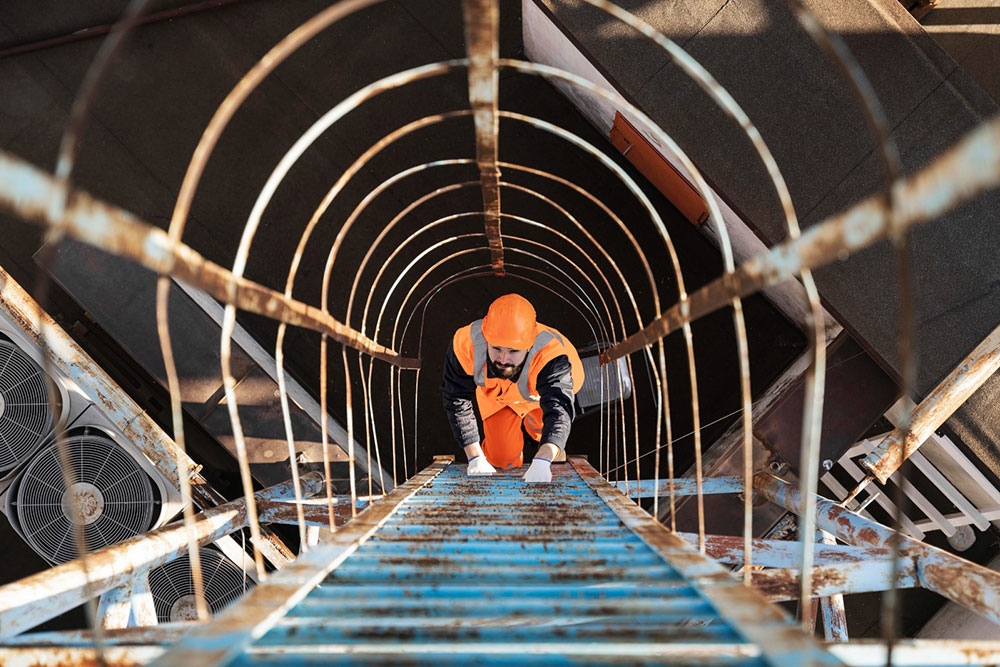
Confined spaces have a reputation in the industrial world, and it’s a well-earned one. Tanks, silos, pits, sewers, and vessels these environments look routine from the outside, but they carry risks that can escalate fast if the right precautions aren’t taken. Limited oxygen, toxic gas buildup, difficult evacuation routes any one of these factors can turn a simple maintenance task into an emergency within minutes. That’s exactly why Confined Space Entry Training exists as a structured, mandatory process rather than a quick briefing before someone climbs into a tank. Whether you’re a supervisor building a safety program from scratch or a worker preparing for certification, understanding the full step-by-step process makes all the difference. Let’s walk through it.
Step 1: Understanding What Counts as a Confined Space
Before any training program can be effective, workers need to understand what actually qualifies as a confined space. Generally, it’s an area that’s large enough for a person to enter and perform work, has limited entry and exit points, and isn’t designed for continuous occupancy. Tanks, manholes, storage bins, and process vessels are common examples.
This foundational step is often where a proper How to conduct confined space entry training comprehensive overview begins, since misidentifying a space or assuming a familiar area is “safe enough” without formal classification is one of the most common mistakes that leads to incidents.
Step 2: Hazard Identification and Risk Assessment
Once a space is identified, the next step is assessing what specific hazards it presents. This includes atmospheric risks like oxygen deficiency, toxic gas accumulation, and flammable vapors, as well as physical hazards such as engulfment, restricted movement, or mechanical equipment that could activate unexpectedly. A good training program teaches workers to conduct this assessment systematically rather than relying on assumptions from previous entries, since conditions inside a confined space can change between shifts or even within the same day.
Step 3: Permit-to-Work Systems
Confined space entry is almost always governed by a formal permit system, and training needs to walk workers through exactly how this works. Permits typically require documentation of atmospheric testing results, identification of entry supervisors and attendants, emergency rescue arrangements, and a clear time window for the work being carried out.
Following the correct Confined Space Entry certification requirements and procedures in 2026 ensures this documentation aligns with current regulatory expectations, which have grown increasingly strict as industries push for tighter safety compliance across high-risk work environments.
Step 4: Atmospheric Testing and Monitoring
This is one of the most critical parts of any confined space program. Workers need hands-on training in using gas detection equipment correctly, testing for oxygen levels, flammable gases, and toxic substances before entry, and continuously monitoring throughout the work period. A single pre-entry test isn’t enough; conditions can shift due to ventilation changes, chemical reactions, or disturbed sediment, so continuous monitoring is non-negotiable.
Step 5: PPE and Equipment Training
Proper equipment use is another core training component. This includes respiratory protection, harnesses and retrieval systems, communication devices, and ventilation equipment. Workers also need to understand equipment limitations — for example, when air-purifying respirators are inadequate and supplied-air systems become necessary instead.
Step 6: Roles and Responsibilities
A well-run confined space program clearly defines roles: the entrant performing the work, the attendant stationed outside monitoring conditions and communication, and the entry supervisor overseeing the entire operation. Training needs to cover each role in detail, since confusion about responsibilities during an actual entry is a common contributor to preventable incidents.
Step 7: Emergency Response and Rescue Procedures
No training program is complete without a serious focus on emergency response. Workers need to know how to recognize signs of distress, how to communicate an emergency quickly, and — critically — that untrained rescue attempts are one of the leading causes of multiple-casualty incidents in confined spaces. Training emphasizes waiting for designated rescue teams rather than attempting a spontaneous, unprotected rescue that could result in a second victim.
Step 8: Building a Sustainable Training Program
For organizations developing their own internal safety framework, Confined space safety training program development and implementation isn’t a one-time project — it’s an ongoing process. This means scheduling regular refresher courses, updating procedures as regulations evolve, conducting drills to keep response skills sharp, and reviewing near-miss incidents to identify gaps before they become real accidents.
Following Confined Space Entry Training Step-by-Step Guide 2026 best practices also means tailoring the program to the specific industry and site conditions rather than relying on generic templates, since a petrochemical facility and a water treatment plant will have very different risk profiles despite both involving confined space work.
Choosing the Right Training Partner
Given how much precision this training demands, working with an experienced provider matters. INFINITY STUDIES & TECHNICAL SOLUTIONS (ISTS) offers structured, hands-on confined space training designed around real industrial scenarios, helping both individual workers and organizations build genuinely effective safety competency rather than just checking a compliance box.
The Research Perspective
According to Wikipedia, a confined space is an area with limited entry and exit that isn’t suitable for continuous human occupancy, with hazards commonly including harmful dust or gases, asphyxiation, submersion in liquids or free-flowing solids, electrocution, or entrapment. It also notes that confined space training outlines the skills and protocols for safe entry, including precautions like lockout-tagout procedures, breathable air testing, forced ventilation, worker observation, and a predetermined rescue plan with the right equipment standing by — essentially the same structure this guide has walked through step by step. It also adds a sobering statistic worth remembering: two-thirds of all deaths occurring in confined spaces are attributed to people attempting to rescue someone else without proper preparation. It’s a strong reminder of why Step 7 in this guide — waiting for a trained rescue team rather than attempting a spontaneous entry — isn’t just procedure for procedure’s sake. It’s the single detail that separates a contained incident from a multiple-casualty one
Building a Safer Path Forward
Confined space work will always carry inherent risk, but proper training dramatically reduces the chances of that risk turning into a real incident. By following a structured, step-by-step approach — from hazard identification through to emergency response — workers and organizations put themselves in a far stronger position heading into 2026, where safety standards across high-risk industries continue to tighten.